

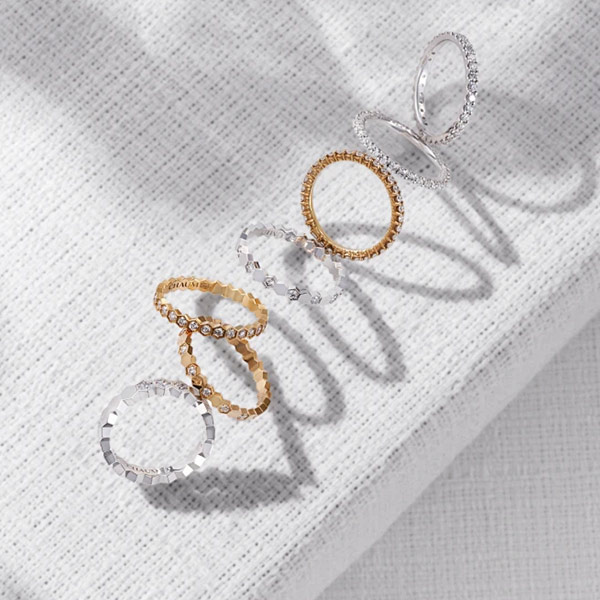
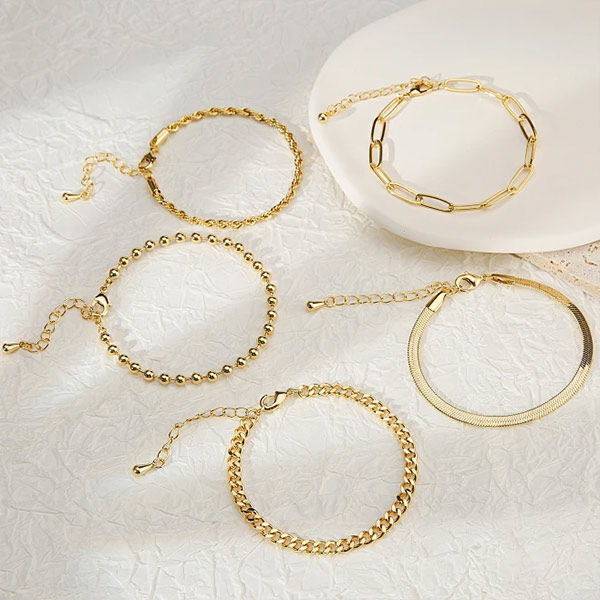
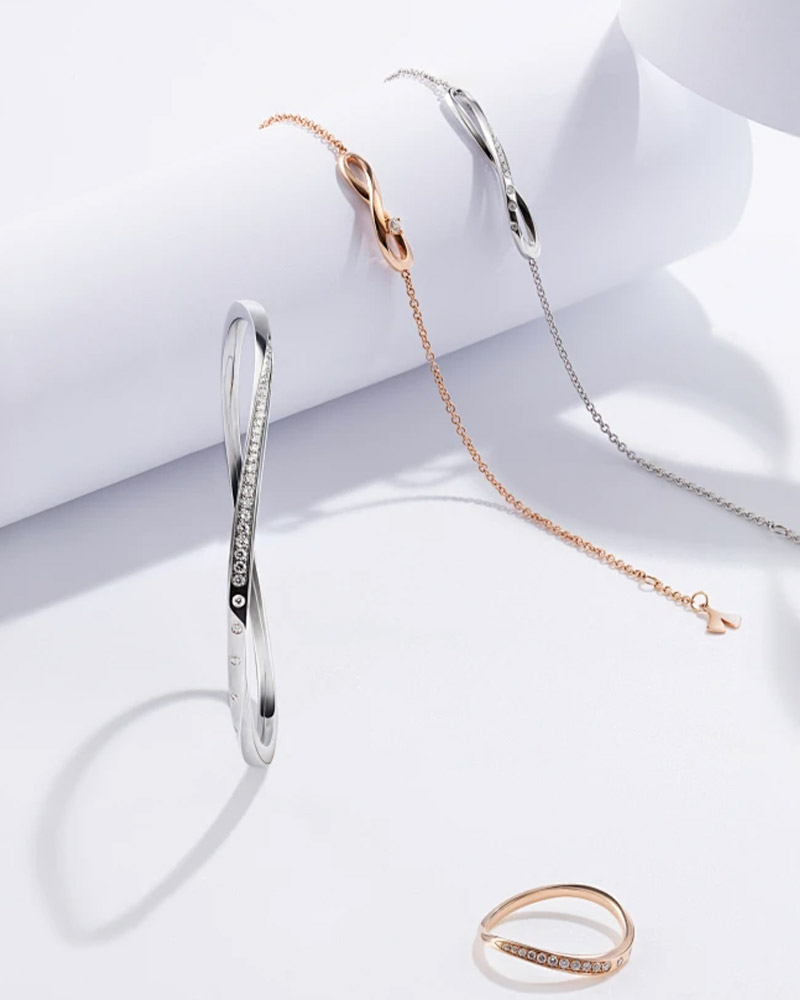
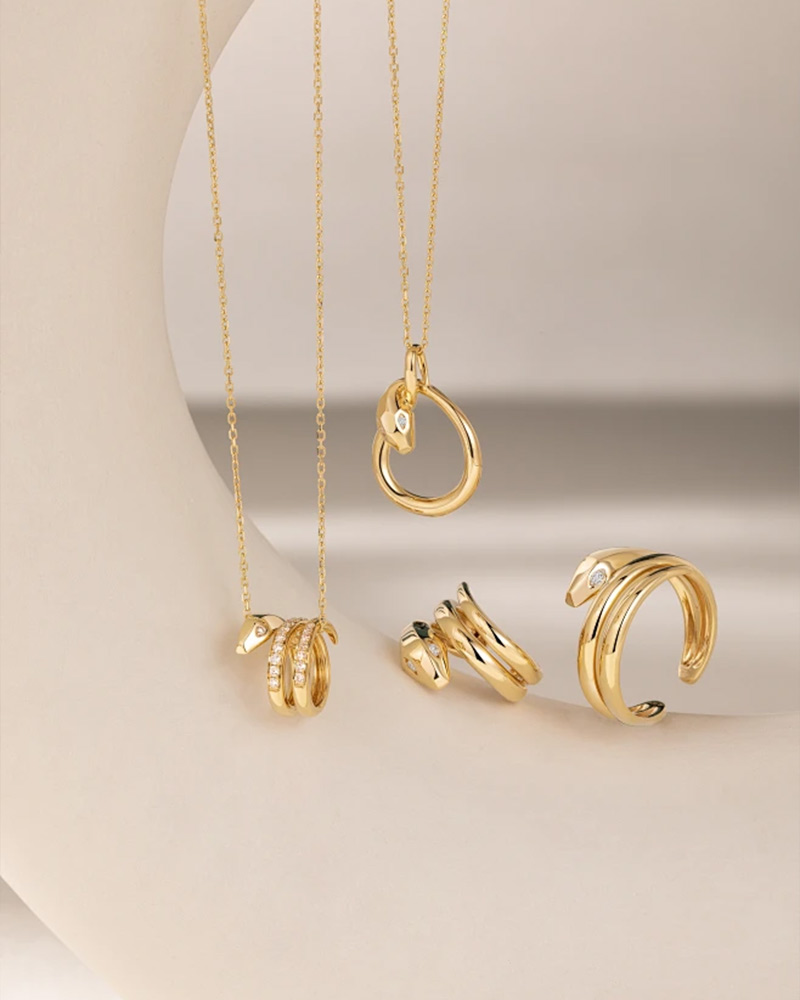
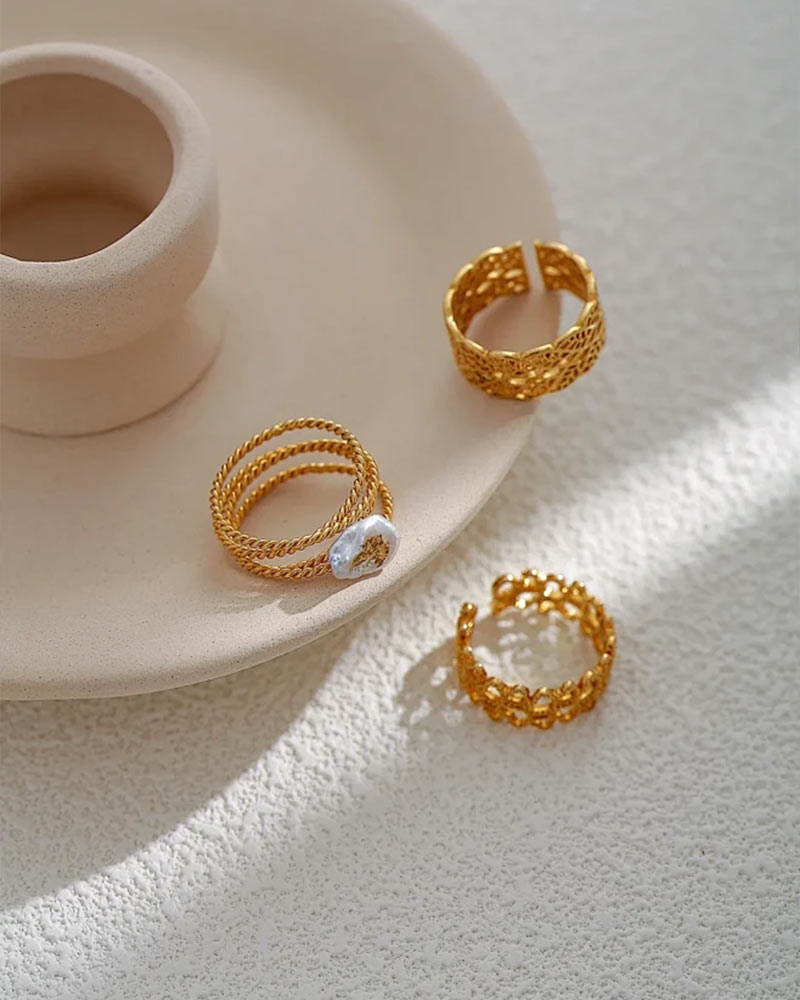
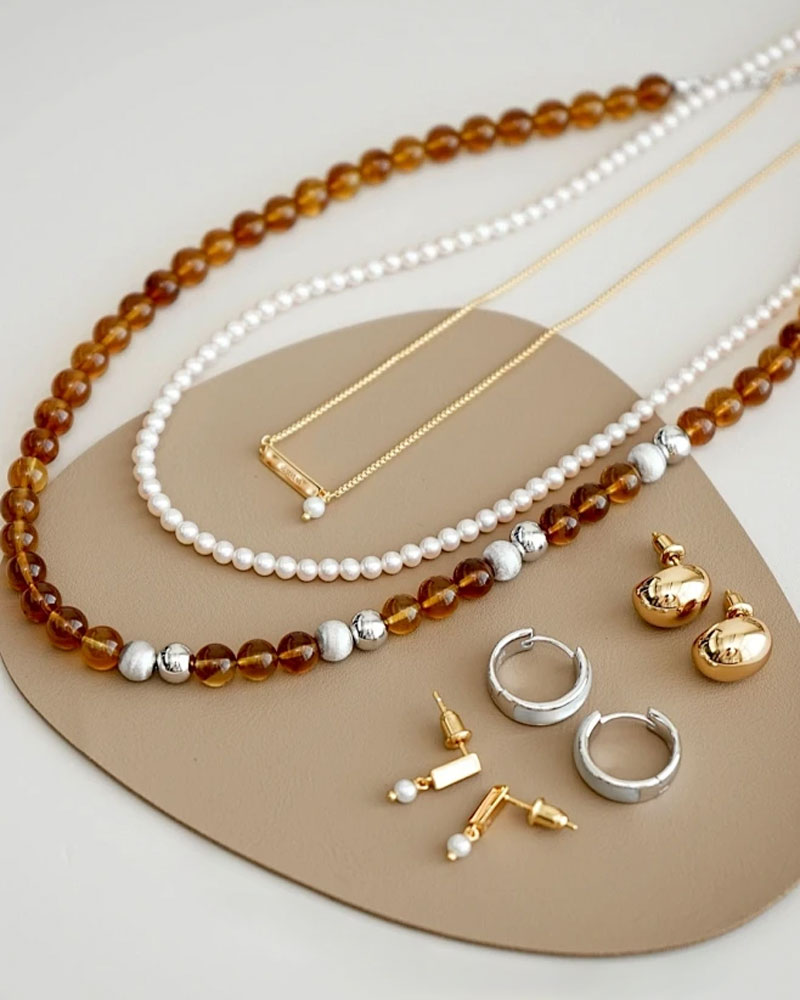

When developing a new jewelry collection, material selection can have a direct influence on product appearance, durability, production methods, and overall positioning. With a wide range of materials available, fashion brands need to consider more than simply how a material looks. 316L stainless steel jewelry has become an increasingly considered option because it combines practical material characteristics with flexible design possibilities.
Jewelry designed for everyday wear needs to withstand regular contact with the surrounding environment. Moisture, sweat, cosmetics, and daily movement can all affect the condition of accessories over time.
316L stainless steel is known for its strength and corrosion resistance, making it suitable for products intended for regular use. This can be an important consideration when brands are developing collections designed to become part of a customer’s everyday wardrobe.
Other jewelry materials may have different levels of hardness, corrosion resistance, or maintenance requirements. Therefore, brands should consider the intended use of a product before selecting a specific material.
Material selection also plays an important role in defining the visual identity of a jewelry collection.
316L stainless steel has a clean metallic appearance that works well with modern, minimalist, and contemporary designs. Through suitable manufacturing and surface finishing techniques, designers can also create different textures and visual effects.
For brands developing multiple collections, this flexibility can be valuable. A single material can support simple everyday pieces as well as more distinctive fashion designs.
Different jewelry materials may require different levels of care. Consumers generally prefer accessories that are convenient to maintain, particularly when products are designed for frequent wear.
316L stainless steel is relatively easy to clean and maintain when used and cared for appropriately. This practical characteristic can make it attractive for brands developing jewelry for everyday lifestyles.
However, jewelry performance also depends on the specific design, surface treatment, manufacturing process, and usage conditions. Brands should therefore evaluate the complete product rather than considering the material alone.
For fashion brands, material selection must also match the manufacturing process.
316L stainless steel can be processed into a wide range of jewelry shapes and designs. This provides manufacturers with flexibility when developing necklaces, earrings, rings, bracelets, and anklets.
For customized collections, brands may also need to consider factors such as product dimensions, surface finishes, decorative elements, packaging, and order quantities. An experienced OEM and ODM jewelry manufacturer can help coordinate these requirements during product development.
There is no single jewelry material that is suitable for every brand or every collection. The right choice depends on the product concept, target customers, design style, price positioning, and intended use.
For brands looking for a balance between contemporary appearance, durability, and manufacturing flexibility, 316L stainless steel can be a practical option to consider.
Understanding these factors before production allows brands to make more informed decisions and create jewelry collections that better match their market positioning.
Comparing jewelry materials is not simply about identifying which material is better. Instead, brands should evaluate how each material fits their specific product concept and customer needs.
With its combination of durability, corrosion resistance, modern appearance, and design flexibility, 316L stainless steel provides a versatile foundation for many fashion jewelry collections. When supported by professional manufacturing and quality control, it can help brands develop consistent and distinctive products for different markets.