

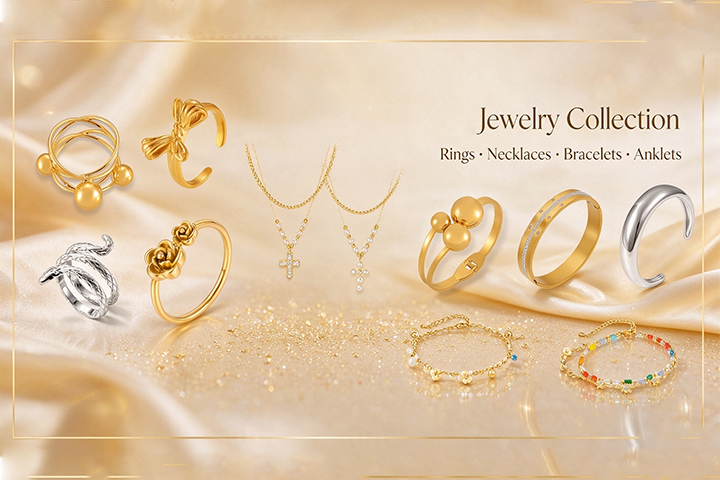
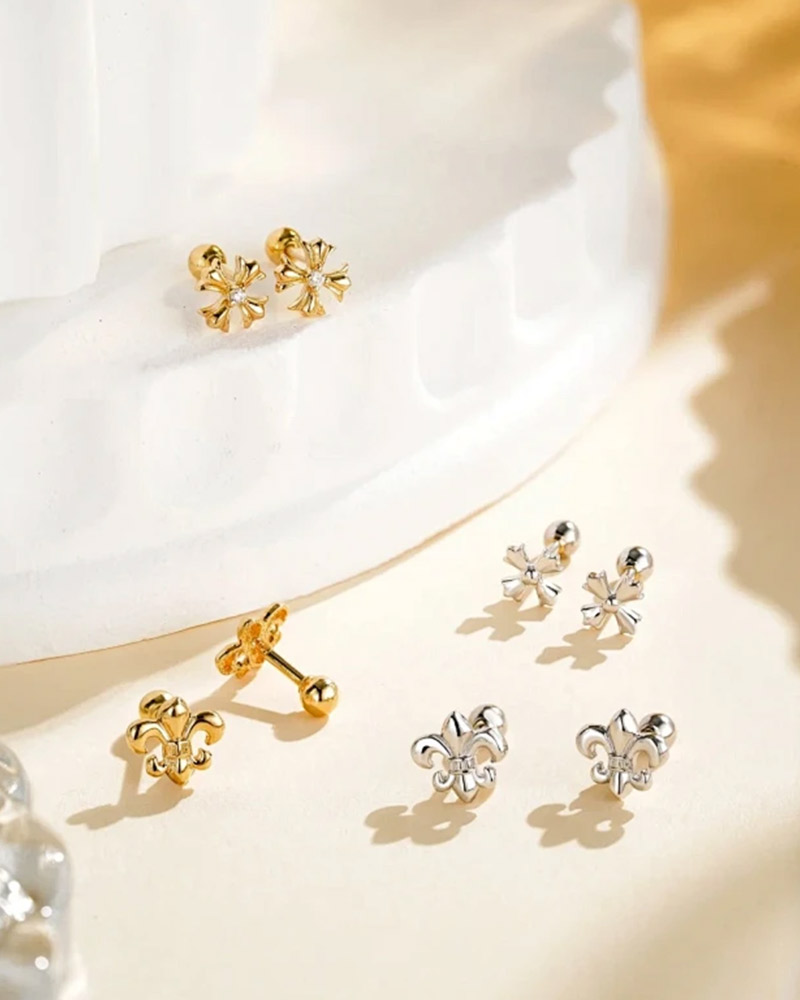

Developing a successful jewelry collection requires more than choosing attractive designs. Fashion brands also need to consider material quality, product positioning, manufacturing capabilities, and customer preferences.
316L stainless steel jewelry is a practical material option for many modern fashion collections. However, not all products have the same specifications, finishes, or construction. Before selecting products for your brand, it is important to evaluate several key factors.
Start by confirming that the products are made from 316L stainless steel as specified. Ask suppliers for clear material information and supporting documentation where available.
Material specifications matter because different stainless steel grades may have different properties and applications. If your brand plans to promote specific material benefits, make sure the claims are supported by the actual product specifications.
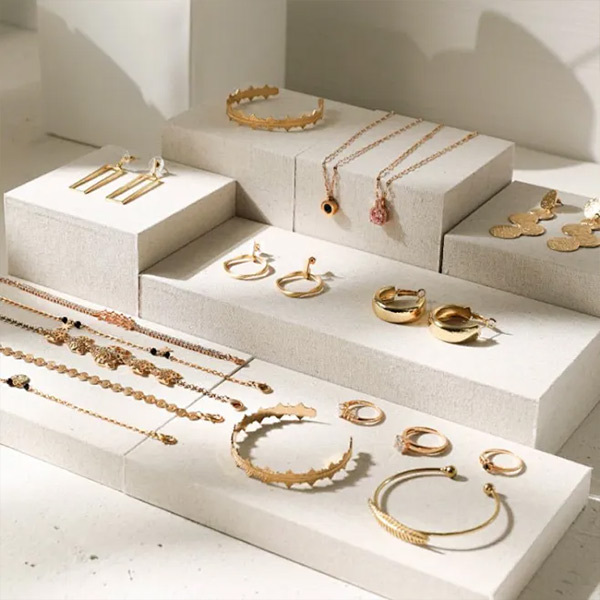
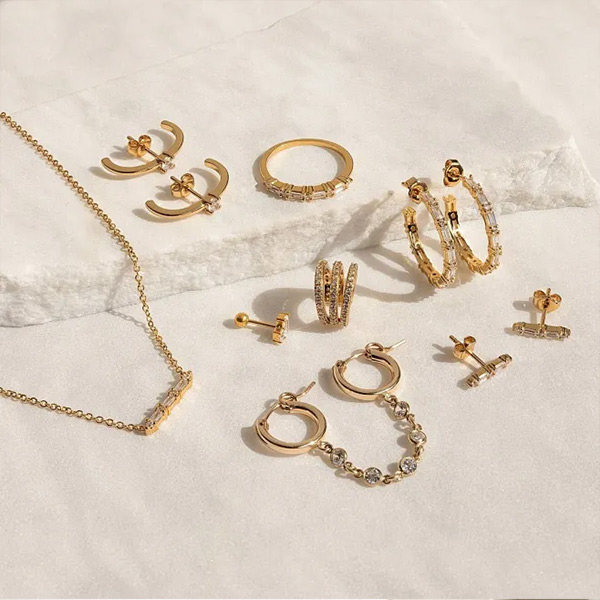
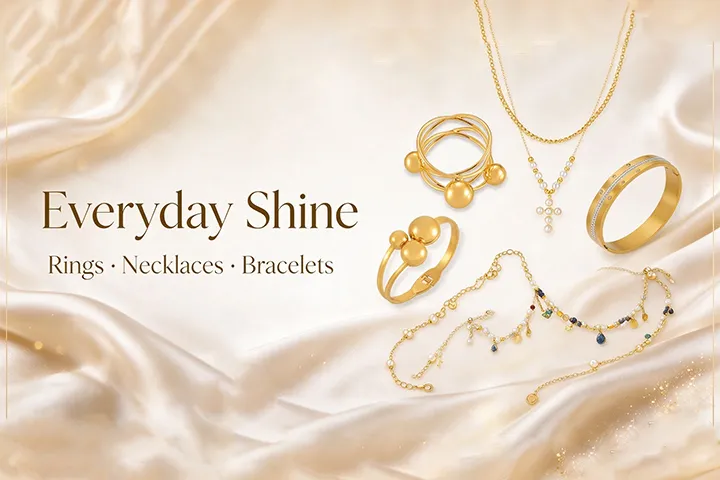
The right jewelry styles depend on your brand positioning and customer preferences. Minimalist necklaces, hoop earrings, stacking rings, and chain bracelets can serve different audiences and styling needs.
Before placing an order, consider your target customers, preferred price range, product categories, and intended sales channels. A focused collection with coordinated designs can be easier to present and market than a selection of unrelated products.
Surface finishes have a significant influence on the appearance of jewelry. Polished, matte, brushed, and plated finishes can create different visual effects.
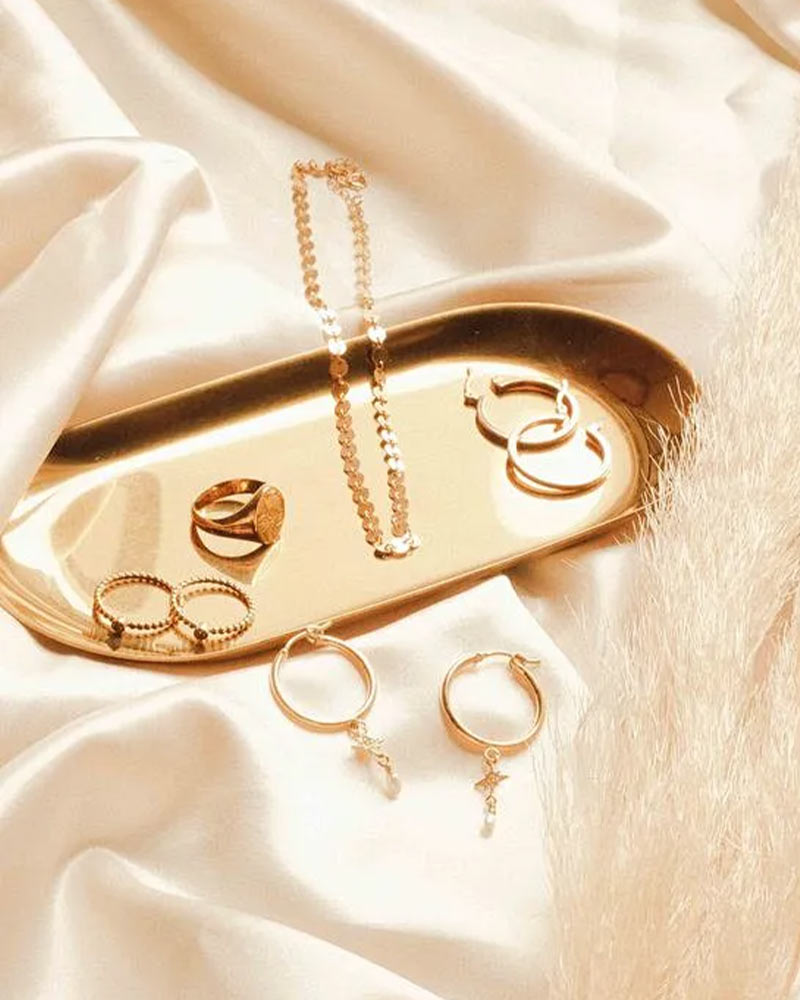
For gold-colored or other coated jewelry, ask about the finishing process and available specifications. You should also confirm whether the supplier can provide the colors, textures, and decorative details required for your collection.
Product quality involves more than the material itself. Pay attention to dimensions, weight, edges, clasps, connections, and overall workmanship.
Request samples before confirming a bulk order whenever possible. Sample evaluation allows your team to check the actual appearance, wearing experience, and consistency with the approved design.
If you want to develop exclusive jewelry designs, check whether the manufacturer offers OEM or ODM services.
OEM manufacturing generally follows the buyer’s supplied designs and specifications, while ODM services may include design and product development support. Available services vary by manufacturer, so clarify the scope of customization, sampling process, production lead time, and minimum order quantity before cooperation.
A suitable jewelry manufacturer should be able to communicate clearly about product specifications, order requirements, quality checks, and delivery arrangements.
For brands planning regular product launches, stable communication and consistent manufacturing standards are especially important. Evaluating these factors before placing an order can help establish a more reliable supply relationship.
Choosing 316L stainless steel jewelry for your brand involves balancing material specifications, design direction, product quality, and manufacturing capabilities. Taking time to evaluate these details can help reduce sourcing risks and create a stronger foundation for your collection.
Whether you are developing a new jewelry line or expanding an existing product range, working with an experienced OEM and ODM jewelry manufacturer can help turn your ideas into products that match your brand requirements.