

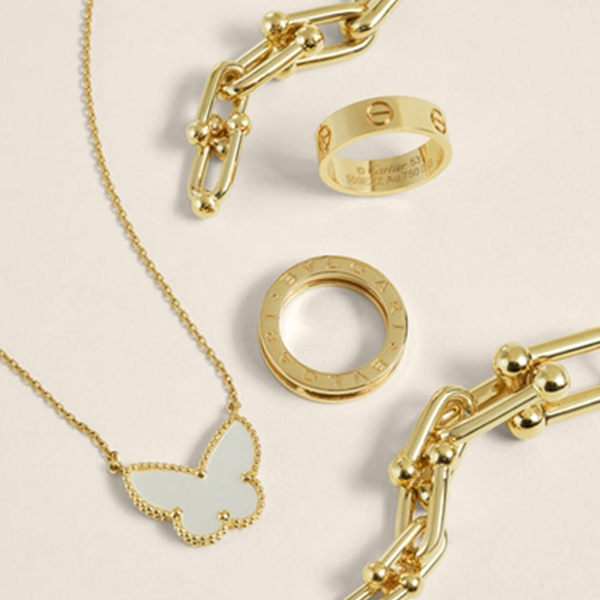
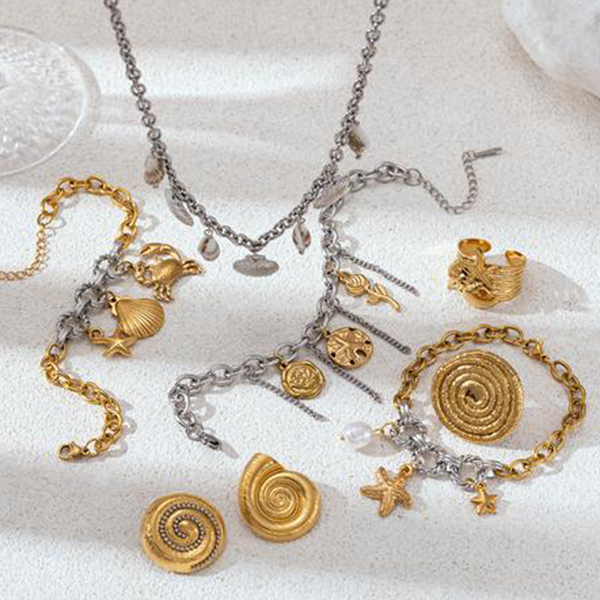
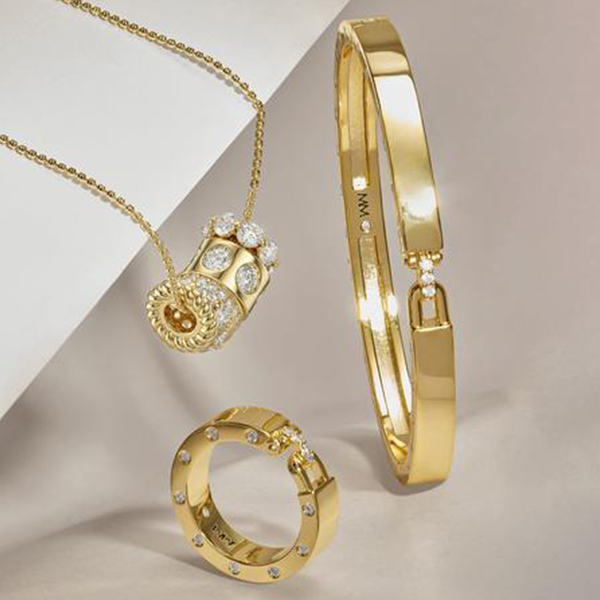
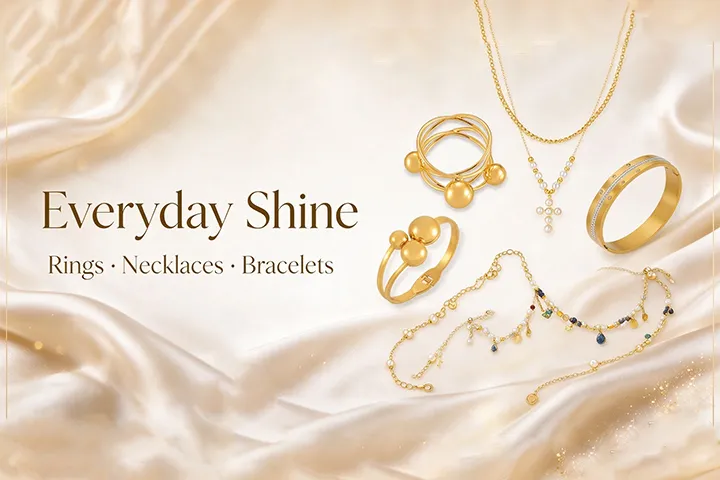

Choosing the right jewelry can help your retail store attract new customers, encourage repeat purchases, and build a distinctive product selection. Stainless steel jewelry is a popular option for retailers because it comes in a wide range of styles and price points. For buyers considering 316L stainless steel jewelry, selecting the right products means looking beyond appearance alone.
Here are the key factors to consider when sourcing stainless steel jewelry for your store.
Start with the people who shop at your store. Consider their age range, style preferences, budget, and shopping habits. A boutique serving customers who prefer minimalist fashion may do well with simple chains and small hoop earrings. A trend-focused store may prefer bold rings, layered necklaces, or statement pieces.
Review your current bestsellers and customer feedback. These can help you decide which styles, colors, and price ranges to explore.
Not all stainless steel jewelry is made from the same grade. 316L stainless steel is commonly used in jewelry and is a useful material specification to ask about when comparing products.
When speaking with suppliers, confirm the material details for the specific items you plan to order. Ask whether the product is made from 316L stainless steel, and request clear product information for your team and customers. Avoid relying on broad descriptions such as “stainless steel” when the exact grade matters to your buying decision.
A well-balanced assortment can serve different customer tastes while keeping your inventory manageable. You might begin with a focused range such as:
– Everyday necklaces and chains
– Studs, hoops, and other earrings
– Bracelets and cuffs
– Rings in popular sizes
– Men’s jewelry or unisex designs
– Seasonal or trend-led statement pieces
Consider how each item will work with your existing products. A small collection of pieces that complement one another can make it easier to merchandise sets and suggest additional purchases.
Product photos are useful, but they do not tell you everything about construction and finish. Ask potential suppliers for detailed specifications and, when possible, samples. Review the weight, clasp or closure, surface finish, edges, and overall feel of each piece.
For plated or colored styles, ask how the finish is applied and what care instructions the supplier recommends. Make sure product descriptions accurately reflect the materials and finish so your customers know what they are buying.
A dependable supplier can make inventory planning easier. Before placing a large order, learn how the supplier handles product availability, lead times, quality checks, packaging, and reorders.
Useful questions include:
– What are the minimum order quantities?
– Are samples available before a bulk order?
– How long does production or dispatch usually take?
– Can the supplier support repeat orders for the same styles?
– What product specifications and care information are provided?
– How are damaged or incorrect items handled?
Clear answers help you compare suppliers and plan purchases with fewer surprises.
Compare the full cost of sourcing, not just the unit price. Minimum order quantities, shipping, packaging, customization, and delivery time can all affect the value of an order.
Estimate your retail price and expected margin before committing. It can also help to start with a smaller test assortment, if the supplier allows it, then reorder the styles that perform well.
If you want to build a more recognizable brand, ask whether the supplier offers private-label packaging or customization. Options may include branded cards, pouches, boxes, or selected design changes.Customization can help create a consistent shopping experience, but it should fit your budget and sales plan.
Choosing stainless steel jewelry for your retail store involves matching customer preferences with product quality, supplier reliability, and a workable price structure. Ask for precise material information, review samples when